English
 French


How to Use a Busbar Bending Machine in Production
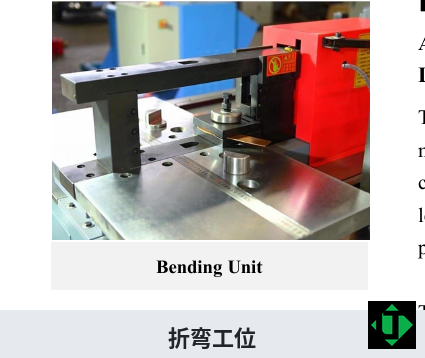
Production routine for a stable batch
Confirm the drawing revision — material, temper, bend sequence and tolerances. A superseded revision is the most common cause of a batch that measures correctly but does not fit.
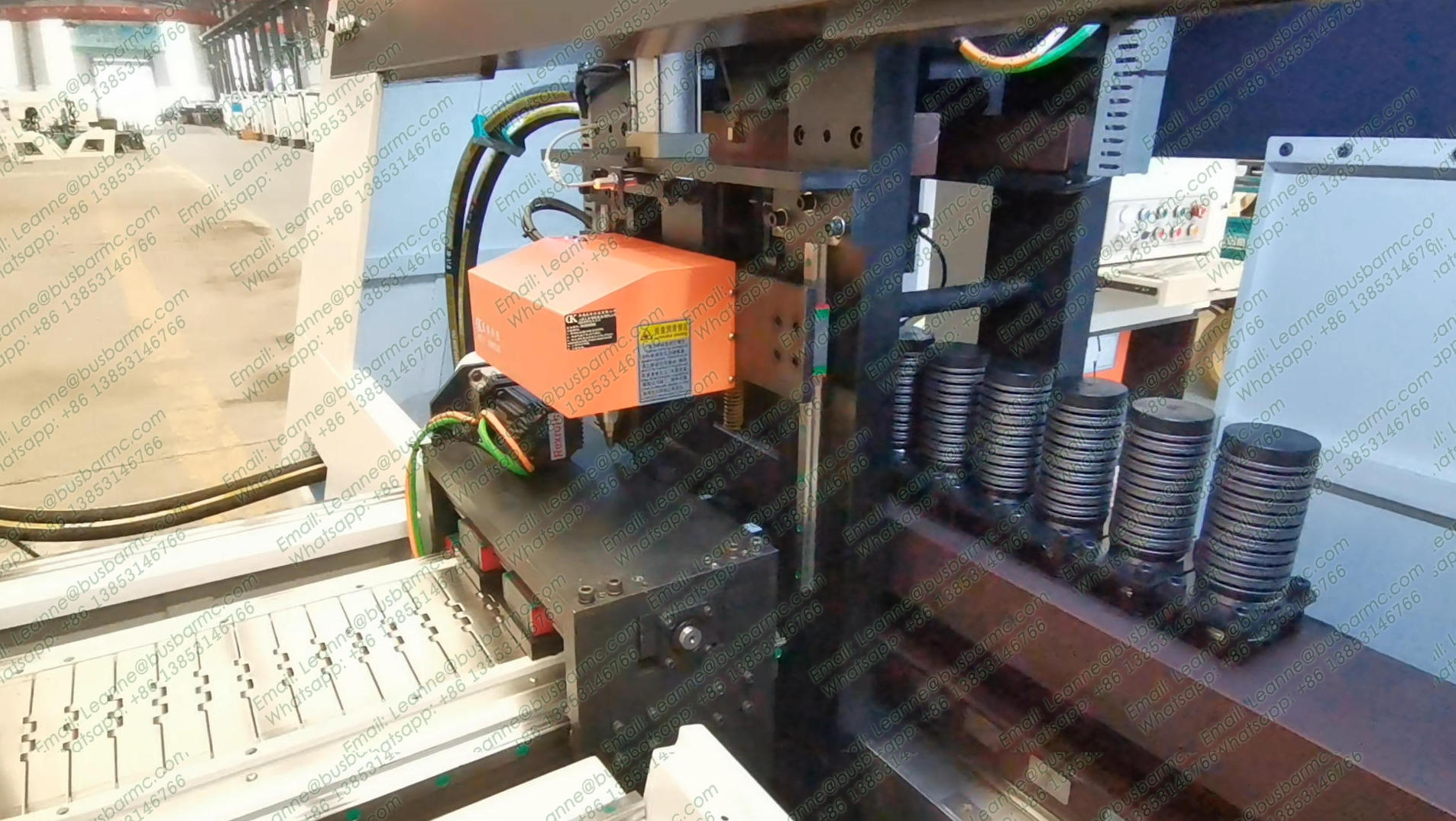
Select tooling — radius or U-die matched to thickness, and check short-leg clearance before the first bar.
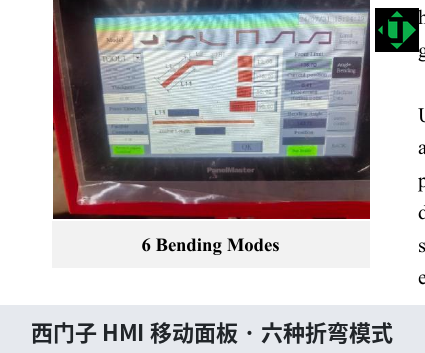
Load the HMI mode or recipe — automatic entry of length, thickness and angle, or manual stroke limits for special bends.
Set datum and support — stops and rollers, with support on long bars to prevent twist.
Low-speed trial bend — measure the released angle and the bend line, not the display.
Apply springback correction — write copper and aluminium tables separately and label them by grade.
Release the batch — check the first, middle and final parts.
Record and lock — save the approved correction with drawing number and revision, and archive the obsolete program.
What drives repeatability on the floor
| Factor | Production symptom if ignored |
|---|---|
| Material lot or temper drift | Angle walks mid-batch |
| Hydraulic or oil temperature | Morning and afternoon parts differ |
| Tool wear or radius change | Surface marks plus angle shift |
| Recipe discipline between shifts | Operator A does not match operator B |
| Upstream cut or punch error | Bending cannot fix a bad length or hole pattern |
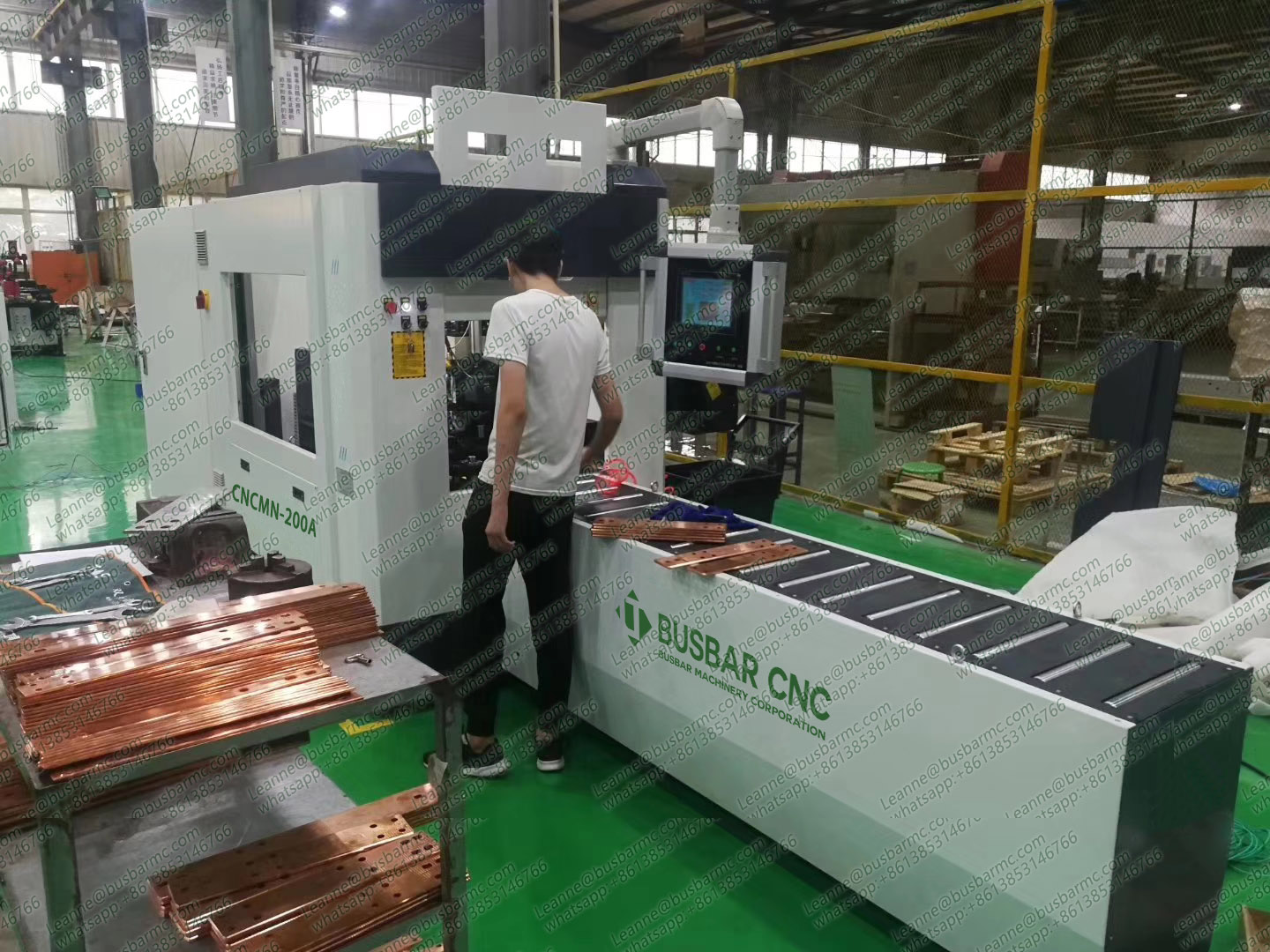
Bending alone never completes busbar fabrication. Cut and punch errors still kill assembly fit, and no amount of angle correction compensates for a bar that is 2 mm short.
Multi-size changeovers
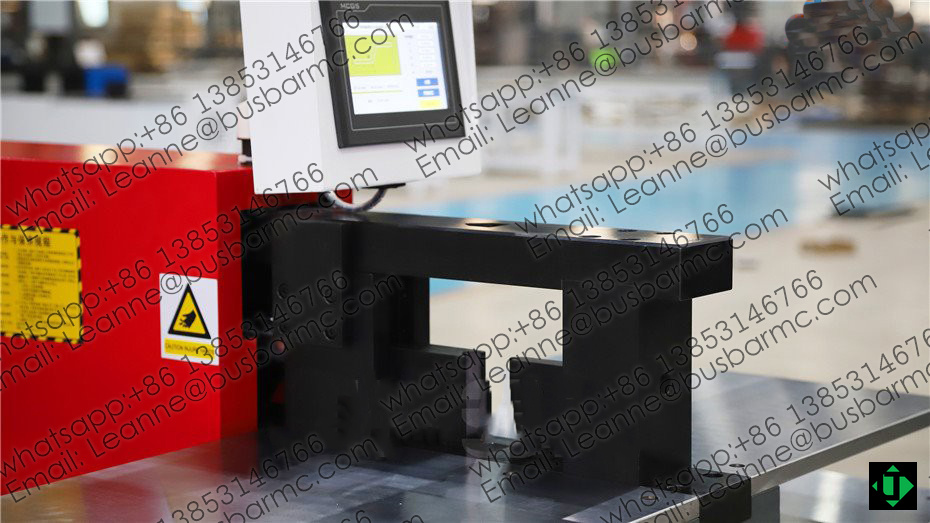
One bend station can cover many sizes only if the dies and settings change with the drawing. HMI recipes make recall easier, but the die change and the first article remain mandatory. A recipe recalls numbers, not the physical tool in the machine.
Tooling replacement by condition, not calendar
There is no universal replacement interval. Replace or regrind when operators see accuracy drift or surface degradation. Track by condition and measured scrap rather than by a fixed month count: a shop running abrasive aluminium oxide will wear dies far faster than one running clean copper.
Tie-in to three-station cells
| Specification | 303U-3-C | 503U-3-C | 803U-3-C |
|---|---|---|---|
| Nominal force | 300 kN | 500 kN | 800 kN |
| Punching diameter | Φ4.3–25 mm | Φ4.3–30 mm | Φ4.3–34 mm |
| Max. thickness × width | 12 × 150 mm | 16 × 200 mm | 20 × 250 mm |
| Max. horizontal bend | 150 × 12 mm | 200 × 16 mm | 250 × 20 mm |
| Max. vertical bend | 10 × 100 mm | 12 × 120 mm | 12 × 120 mm |
| Motor power | 3 × 4 kW | 3 × 5.5 kW | 3 × 5.5 kW |
| Bend accuracy / repeat | ±1° / ±0.5° | ±1° / ±0.5° | ±1° / ±0.5° |
| Approx. mass | 1,400 kg | 1,700 kg | 2,100 kg |
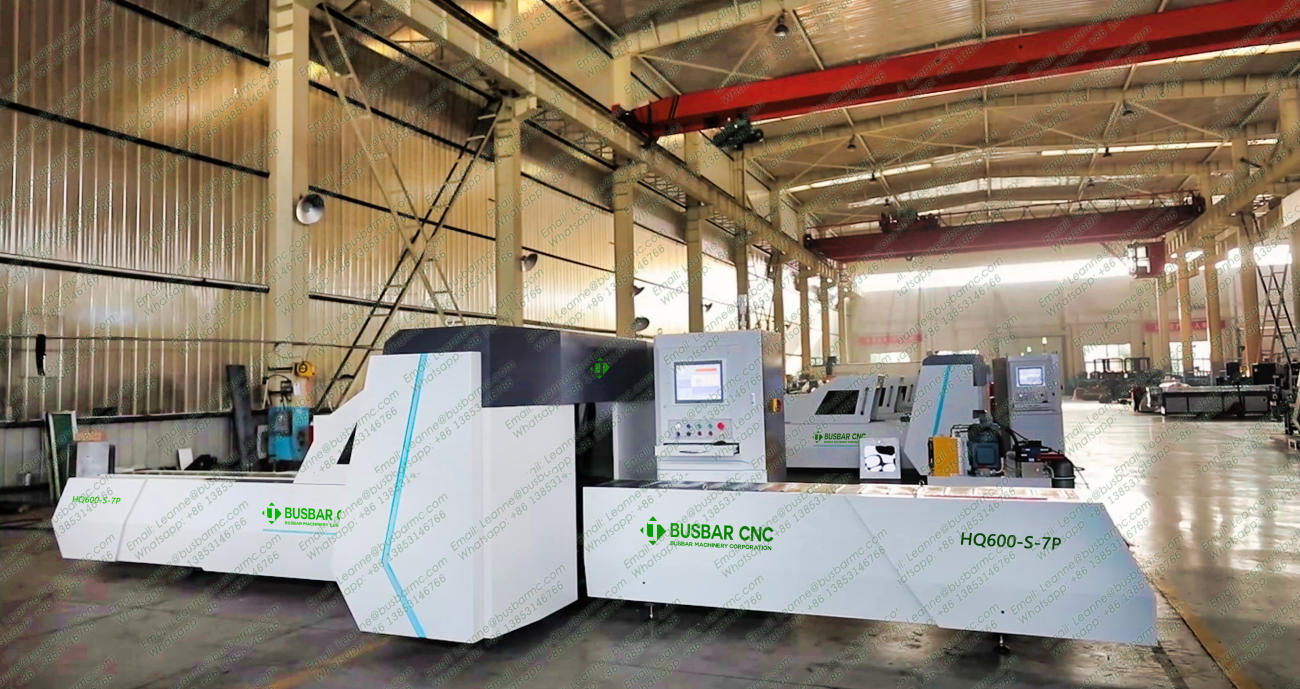
Use the bend station alongside punch and shear on one frame; three pump groups allow parallel staffing. The published flat and edge limits plus the ±1° and ±0.5° figures still need FAT proof on your own copper or aluminium, because material supply varies by mill and by heat.
Handover between shifts
The most under-documented step in most workshops is the shift handover. A short written card per running job — drawing revision, die set, program number, compensation value, first-article measurement — removes most of the variance between operators. It takes two minutes to write and saves a scrapped batch.
Frequently asked questions
Can one bending station handle different busbar sizes?
Yes, with die and setting changes. Recipes help with recall, but a first article is still required for every change.
How often should bend tooling be replaced?
By condition, when accuracy or surface finish worsens, not by a fixed month count alone.
What affects CNC or HMI bending repeatability most?
Material stability, hydraulic condition and whether every shift keeps the same locked recipe.
Is bending enough for complete busbar fabrication?
No. Cutting, punching and positioning all affect final assembly fit.
How do we stop angle drift during a long batch?
Check the first, middle and last parts with the same instrument, keep hydraulic temperature stable, and record when drift starts so you can correlate it with material lot or tool wear.