English
 French


What Is a Busbar Bending Machine and How Does It Work?
What a busbar bending machine is
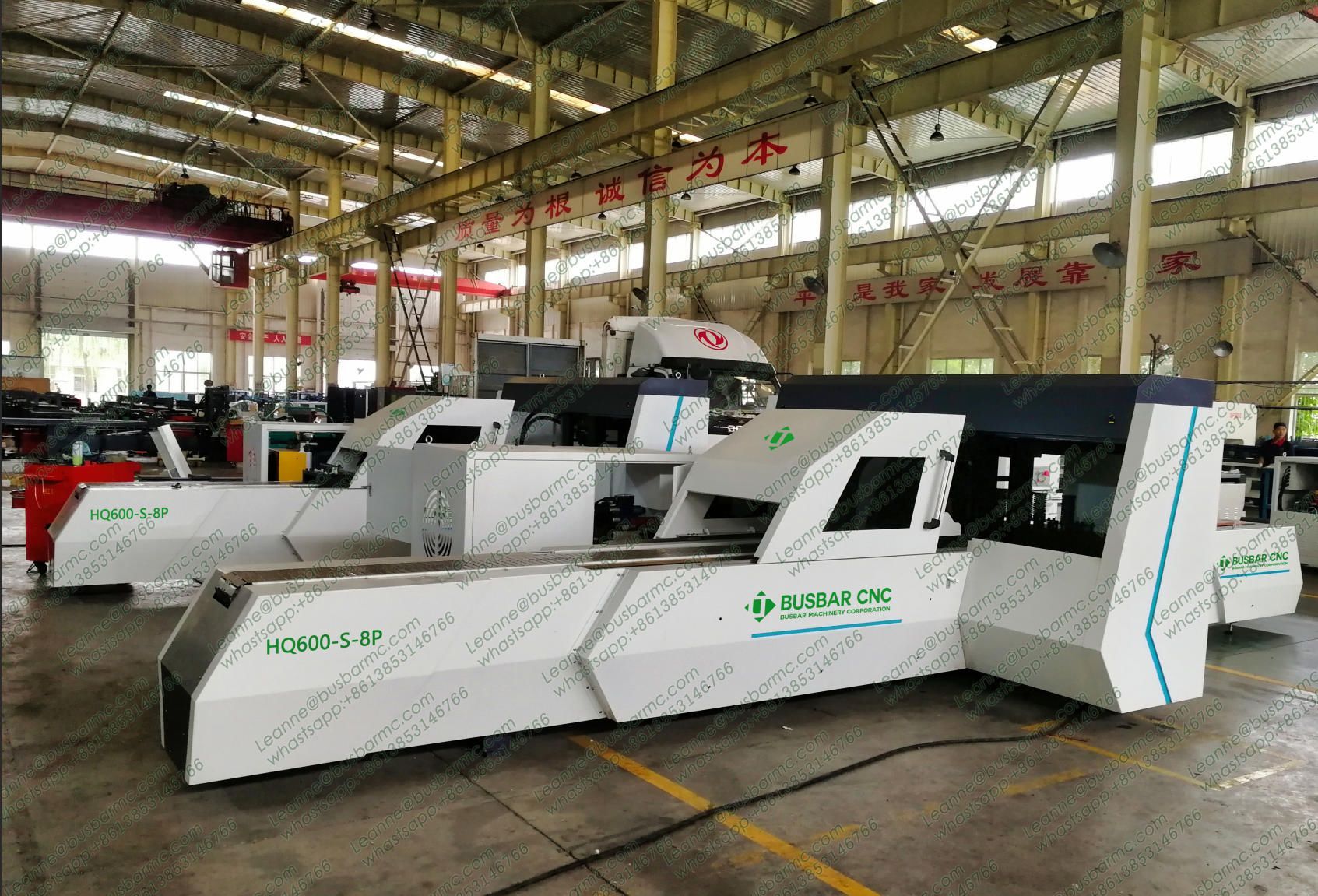
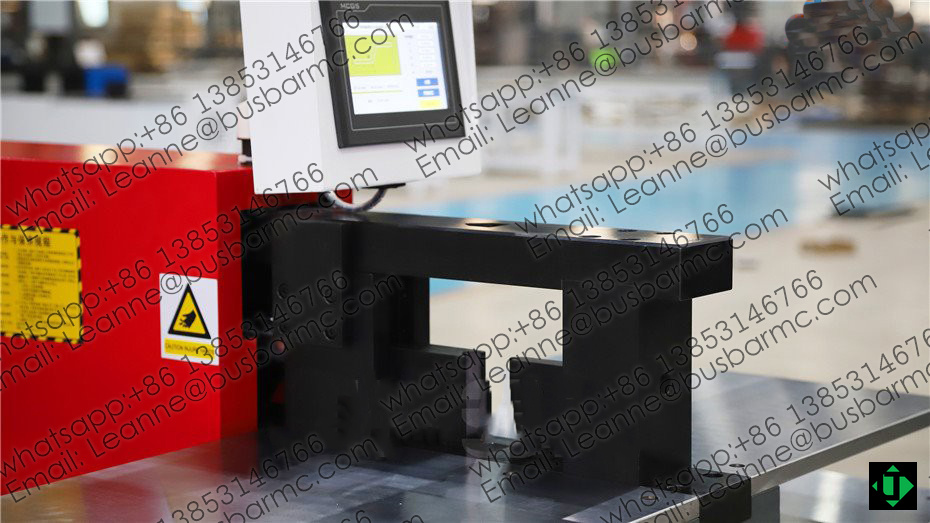
It is an industrial forming unit designed for flat electrical conductors. It may be the bend station on a 3-in-1 frame, a dedicated busbar bender, or occasionally a general press brake used with busbar tooling — the last only if capacity, tooling and surface protection genuinely fit.
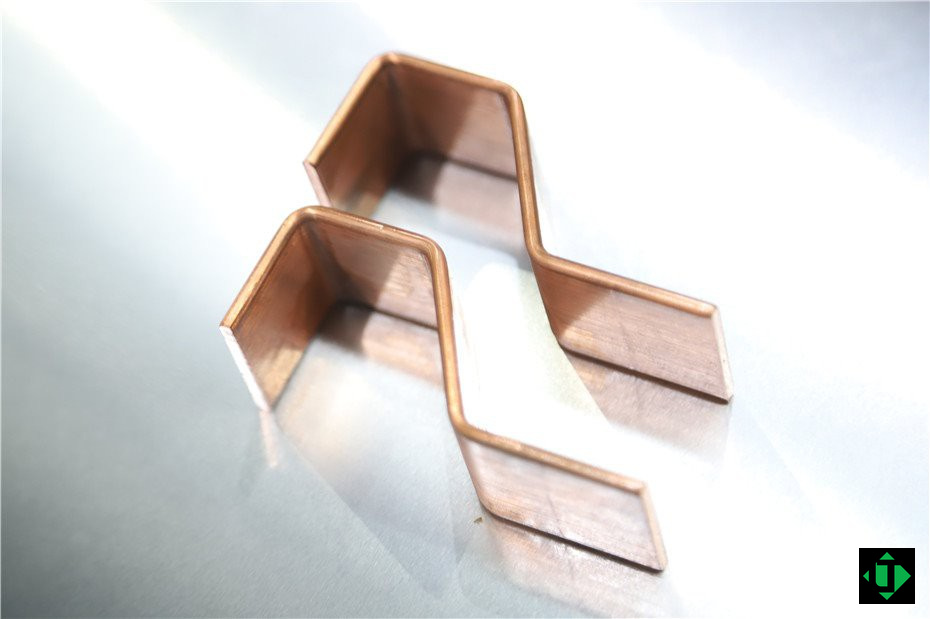
Dedicated busbar designs focus on conductor widths, handling for long bars, and the common L, U, Z and offset geometries found in panel work. A general press brake can form the same angle but usually lacks the back-gauge reach, the flat-die support and the scratch protection that busbar handling needs.
How the bend cycle works
| Step | What happens | What the buyer should verify |
|---|---|---|
| Position | Align the bar to the bend line | Datum, stop and support |
| Tooling | Install the radius or U-die | Radius against thickness |
| Parameters | Set stroke, mode and correction | Automatic versus manual limits |
| Bend | Force forms the bar | Capacity and die clearance |
| Release | Springback appears | Measure the released angle |
| Inspect | Check geometry and surface | Variation across the batch |
A displayed or programmed angle is not the finished angle until springback has been proven on the material you are actually running. That single sentence prevents most first-article arguments.
Finished-part results to verify
| Item | Why it matters |
|---|---|
| Released bend angle | Includes springback, not just the programmed value |
| Bend-line position | Decides flange length and assembly fit |
| Inside bend radius | Tooling suitability and current-carrying section |
| Flange and overall dimensions | Fit inside the cabinet |
| Twist or deformation | Installability and bolt alignment |
| Surface marks | Contact resistance and insulation clearance |
| First, middle and last variation | Production stability across a batch |
Flat bend versus edge (vertical) bend
| Mode | Description | Capacity note |
|---|---|---|
| Flat / horizontal | Bend in the wide plane | Follows the maximum width × thickness class |
| Edge / vertical | Bend in the thickness plane | Tighter published size, e.g. 10 × 100 or 12 × 120 mm |
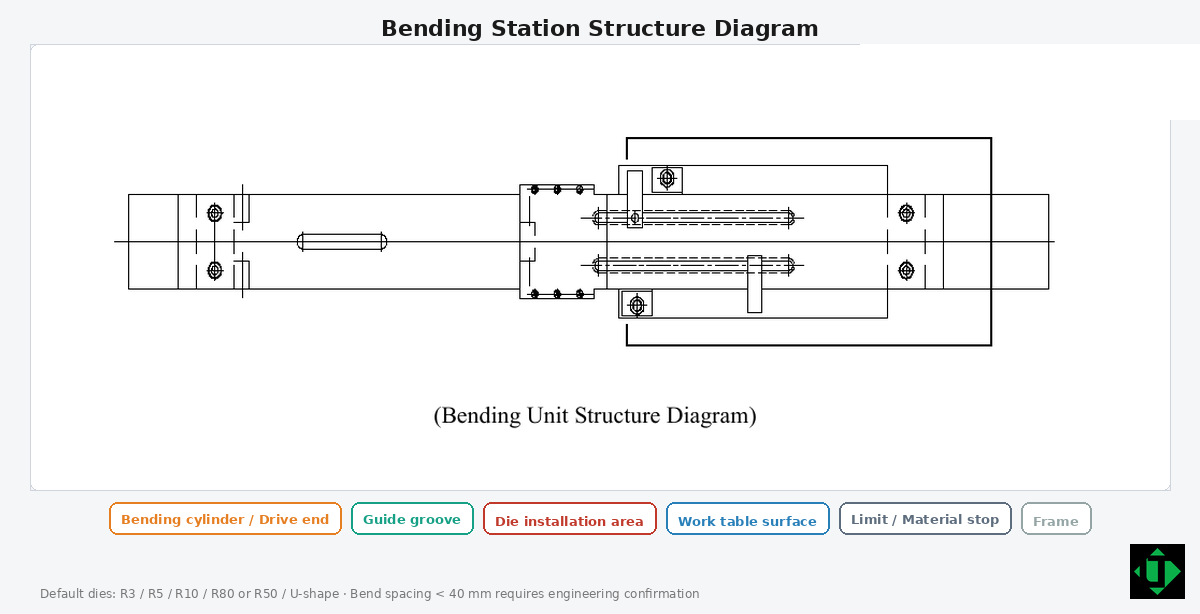
Close bends with spacing under about 40 mm need engineering review, because the punch body and the previously formed leg interfere with each other.
Where bending sits on a 3-in-1 machine
| Specification | 303U-3-C | 503U-3-C | 803U-3-C |
|---|---|---|---|
| Nominal force | 300 kN | 500 kN | 800 kN |
| Punching diameter | Φ4.3–25 mm | Φ4.3–30 mm | Φ4.3–34 mm |
| Max. thickness × width | 12 × 150 mm | 16 × 200 mm | 20 × 250 mm |
| Max. horizontal bend | 150 × 12 mm | 200 × 16 mm | 250 × 20 mm |
| Max. vertical bend | 10 × 100 mm | 12 × 120 mm | 12 × 120 mm |
| Motor power | 3 × 4 kW | 3 × 5.5 kW | 3 × 5.5 kW |
| Bend accuracy / repeat | ±1° / ±0.5° | ±1° / ±0.5° | ±1° / ±0.5° |
| Approx. mass | 1,400 kg | 1,700 kg | 2,100 kg |
Published bend precision is about ±1° with repeat around ±0.5°, verified on the order acknowledgement and FAT. The Siemens PLC plus HMI mode library supports automatic entry of length, thickness and angle, and manual stroke limits for non-standard bends.
Selection cues
This is a selection guide, not an operator SOP. Send material and temper, maximum section, flat versus edge bend list, radii, short legs, tolerances, volume, voltage and FAT samples. A bender that is correct for 12 mm copper at 150 mm width may be wrong for 20 mm bar even if the tonnage looks adequate, because the die opening and the flange clearance change with thickness.
Frequently asked questions
What is a busbar bending machine?
A forming machine or station that bends copper and aluminium busbars to drawing geometry using controlled dies and hydraulic force.
Does tonnage equal bend quality?
No. Quality is the released part. Tonnage is only one capacity gate; die condition, springback control and support decide the result.
Can one machine do flat and vertical bends?
Often yes with the right tooling, but confirm the two capacities separately because the vertical envelope is much smaller.
How does aluminium springback differ from copper?
Aluminium usually needs larger compensation and a larger minimum inside radius. Keep separate tables and never reuse a copper recipe without a trial bend.
What bend accuracy should I expect?
The LT range publishes about ±1° with roughly ±0.5° repeat. Treat those as figures to verify on your own material during the FAT.